
Care methods for four furniture types
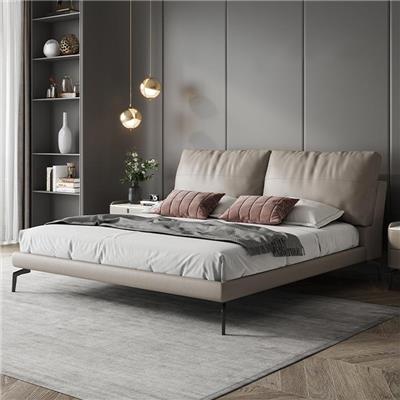
A good set of furniture is both a major purchase and a long-term one. Even ordinary pieces last several years, and with proper care a well-made piece, especially one with unusual craftsmanship or rare materials, can last for decades and be passed down in the family. Here is how to look after each type so it keeps looking new.
Leather furniture
Leather sofas, leather accent chairs and leather-upholstered panels all need regular attention. If something stains the leather, never rinse it with water. Dampen a dry cloth with leather cleaner and wipe gently; mild soapy water works if you have no cleaner. A living-room leather sofa gets used every day, so clean and condition it regularly to extend its life. If you have cats or dogs, keep their claws off it. Torn leather is very hard to make look right again.
Fabric furniture
For a small stain on a fabric sofa, dab soapy water on the spot, wipe gently with a towel, then press a clean dry towel over it to draw out the moisture. For a large stain, take the cover off and wash it. If the cover is not removable, call a professional upholstery cleaner. A living-room fabric sofa needs this kind of routine cleaning more often than most people think.
Keep sharp objects away from fabric upholstery, and consider a slipcover or a sofa throw for day-to-day protection.
Wood furniture
Wood is the most common furniture material and one of the most sensitive. Neglected, it warps, grows mold and rots. Watch humidity and temperature: do not keep wood furniture in a damp spot, where it will mold, or in direct sunlight, where it will crack. Keep sharp objects off the surface, since scratches show. Dust regularly with a soft dry cloth, wiping along the grain.
Metal furniture
Metal pieces are increasingly popular: iron bed frames, metal-framed sofas and chairs, and so on. Metal's main enemy is rust. Wipe chrome-plated parts now and then with a piece of gauze and a little anti-rust oil; regular oiling keeps them bright. Acids and alkalis are the worst offenders. If vinegar or another acid, or something alkaline such as baking soda solution or soapy water, gets on metal furniture, rinse it off with clean water immediately and dry it with a cotton cloth.