
Why solid wood furniture is lacquered
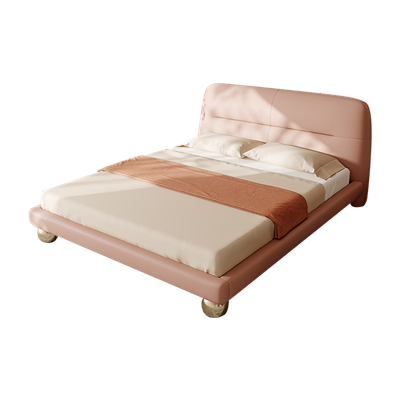
Solid wood Bosheng furniture is natural and healthy, and much of its appeal is the beauty of the wood itself, plain and unadorned. So why finish it with lacquer at all, and what does the finish actually do? Here is our explanation.
1. It protects the wood
The hardwoods used in solid wood furniture sand down to a smooth, warm surface that feels almost like polished stone. Left bare, that surface is easily scratched and worn and quickly loses that feel. A lacquer finish works like a layer of armor over the piece.
2. It gives the piece an even, finished look
Even boards cut from the same log show slight differences in color. They are like small flaws in a fine stone: not serious, but they take away from the overall effect. A finish evens out the color and lets the grain show at its best, the way a little moisture brings out the depth in polished stone.
3. It keeps the wood from warping
Moisture content has a big effect on how stable wood is. Sealing the surface with a finish stops outside moisture from soaking quickly into the wood and stops the moisture inside from evaporating too fast. Moisture then moves in and out slowly and gently, and the wood keeps its shape.
4. It keeps the color fresh
Bare wood exposed to the air is gradually attacked and oxidized, and its color changes. Once it is finished, the wood no longer touches the air directly and keeps its fresh, original tone for good.
5. It feels smoother and is easier to clean
No matter how finely wood is sanded, the pores in the grain stay open, and those pores collect dirt that is hard to get out. A finish seals and fills them, so a quick wipe with a cloth is all it takes to clean the surface.
Caring for a finished piece
Once you have a set of solid wood furniture at home, you naturally want it to stay looking new. In practice, careless use and small accidents leave marks. Here is how to deal with the common ones.
- Grease marks. Leftover brewed tea makes a surprisingly good cleaner for wood. Wipe the area with it, sprinkle on a little cornstarch, rub it in and then wipe the starch away. The starch absorbs whatever is stuck to the surface and leaves the finish smooth and bright.
- Ink stains. Mix one part water with two parts white vinegar, dab it on with a sponge, then rinse and let the wood dry.
- Scratches. If a scratch has not gone through the finish into the wood, dip a soft cloth in a little melted wax and work it into the mark. Once the wax hardens, add another layer, and repeat until the scratch is covered.
- Heat marks. Rub the mark with a dry, extra-fine steel wool pad of the kind used for finishing, following the direction of the grain. Alternatively, put a little salad oil or mayonnaise on the mark, rub gently along the grain with a soft cloth, wipe clean with a fresh cloth and then polish.
- Burn marks. A cigarette or a match that was not fully out can leave a scorch on the finish. Wrap a matchstick or toothpick in a piece of fine, firm cloth, gently rub the mark, then apply a thin coat of wax. The scorch mark will fade.