
What to look for when choosing a sofa
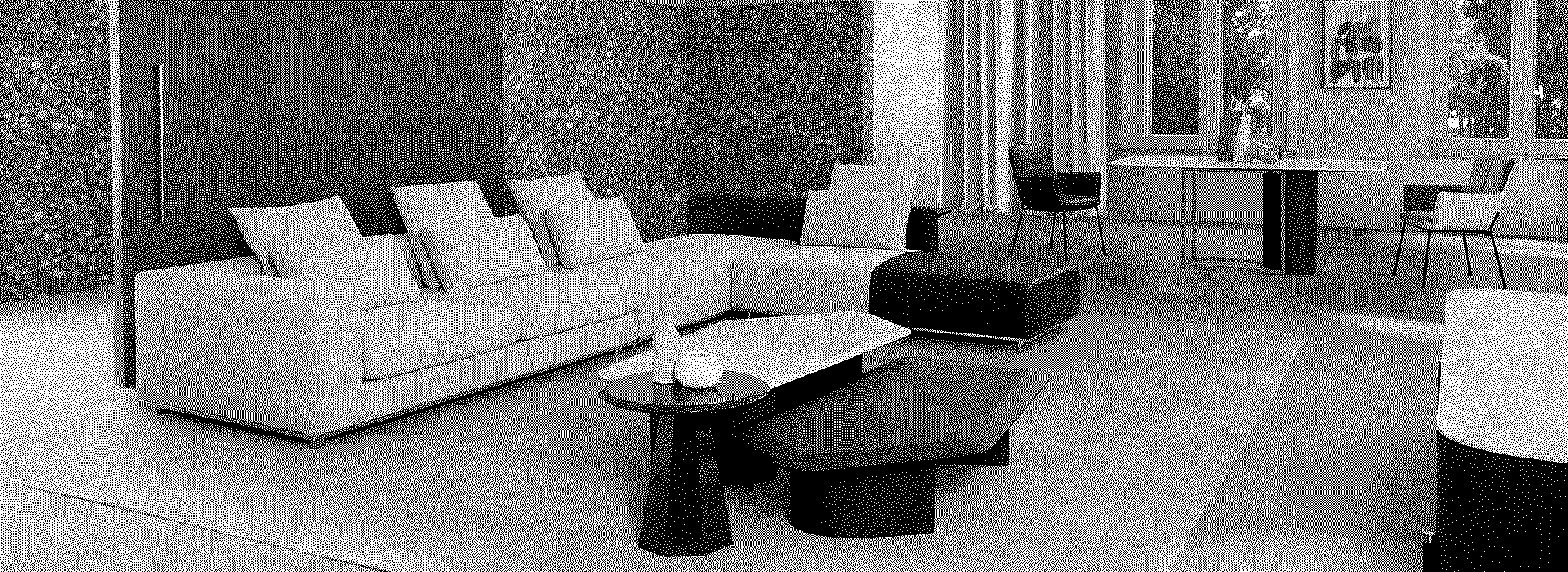
The sofa is one of the most important pieces in the living room; it is not much of a stretch to call it the room's soul. When you shop for one, remember that you get what you pay for. Plenty of people buy a cheap sofa and think they have saved a bundle. Usually they have not: the seat is uncomfortable, the piece has a chemical smell, and it does not last.
Firmness
Pay attention to how firm the sofa is. We generally advise against anything very soft. On a sofa that is too soft your body sinks unevenly and is not properly supported, which does your back no favors and can lead to lower back strain over time. Choose a fabric that is safe and comfortable as well.
Seat depth
Whatever the style of your home, get the seat depth right by this rule, or you will have bought the wrong sofa.
Sit down and measure from the back of your hips to the outside of your knee. That number decides how deep a seat you should buy. The seat must be a little deeper than your measurement. If it is shallower, you cannot sit back into it; if it is far deeper, you tip backwards and the sofa is useless to you.
Many sofas on the market have a very deep seat, sized for tall frames with a long thigh. Do not buy on looks alone; the sofa has to fit the people who will sit on it. Modern light-luxury sofas tend to get the proportions right.
For example, my own hip-to-knee measurement is 55 cm (about 22 in) and my sofa seat is 60 cm (about 24 in) deep, which is just right. Another 5 cm (2 in) would still be fine, because you can add a cushion behind you, but any deeper than that and it stops working.
Structure
A good sofa has a sound frame and materials of the right hardness, and that is what gives it a long life. A well-built sofa stays rock steady even if you shake it hard, and that comes down to its structure.