
Furniture placement: what to watch for
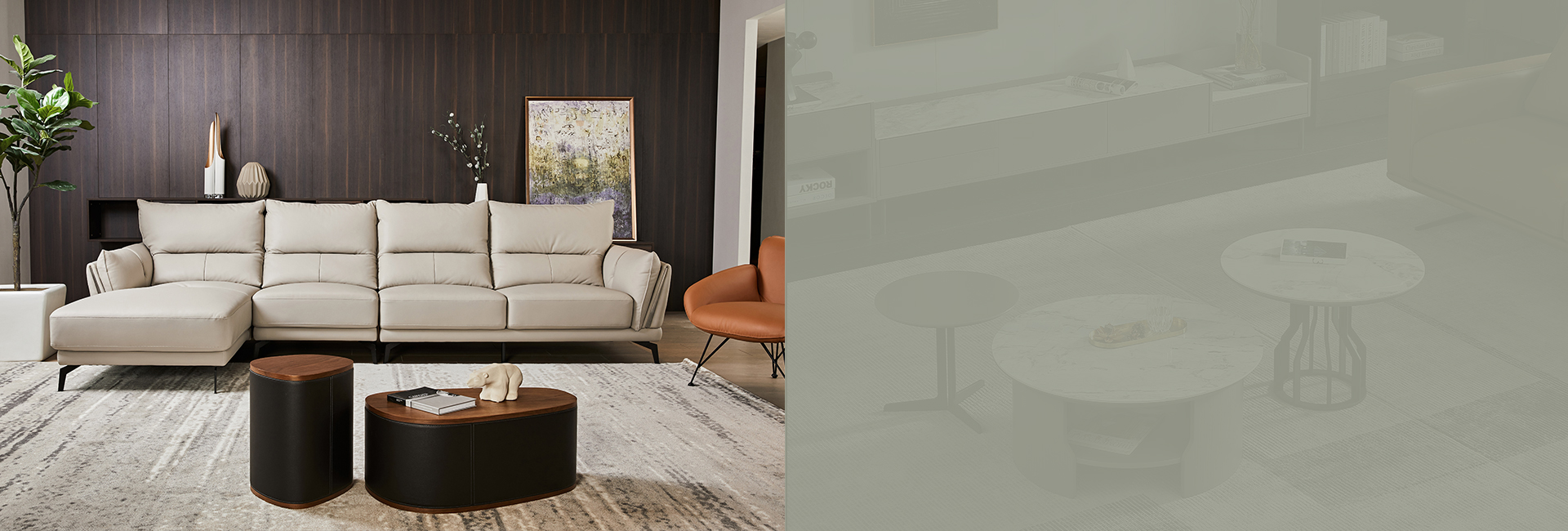
Feng shui, the traditional Chinese practice of arranging a home to bring good fortune, is still taken seriously by many homeowners, and furniture placement is where it shows up most. Even if you only treat it as a set of layout habits, the rules below tend to produce a living room that feels calm and well organized. Here is what the tradition says.
The living room works best as a rectangle or a square. Seating should not face a sharp wall corner, and the sofa should not sit under an exposed beam. If a corner points into the seating area, a potted plant or a piece of furniture placed in front of it softens the effect. If the room is L-shaped, use furniture to divide it into two rectangular zones and treat each as its own room: one for receiving guests, say, and the other as a reading or rest area. Another approach is to hang a mirror on the wall to fill in the missing corner visually, then plan the layout as if the room were a complete rectangle.
Many living rooms are not large, and a big wall mirror is a common way to make the space feel bigger. In feng shui this is a mistake, especially behind the sofa. When someone sits down, a person standing nearby can see the back of their head in the mirror, which is considered very unlucky. A mirror hung on the wrong side of the room is also said to reflect and scatter the room's energy and unsettle the household's fortunes.
The sofa is the center of daily family life. Placed in a favorable spot, it is said to let the whole family share in that spot's luck. The best position is the room's wealth corner, usually the corner diagonally opposite the entrance. Sitting and resting there regularly is believed to lift the family's fortunes and support good health. Placing the sofa in the "peach blossom" position, the one associated with relationships, is said to improve the family's social luck. Leather or fabric, put the sofa in the right spot. In feng shui terms, position matters more than the sofa itself.
The living room is usually the largest space in the home and holds the most furniture, so people are tempted to mix and match: a fabric sofa with a metal coffee table in an unusual shape, for instance, as a way of showing personality. In feng shui this is not a good choice. Furniture of clashing shapes and styles breaks up the harmony of the room. Choose pieces from the same style and color family instead, such as a fabric sofa with matching fabric accent chairs, or a leather sofa with leather accent chairs. The room will look calmer and more coherent.
Do not place furniture, and especially the sofa, directly under a load-bearing beam. Feng shui holds that a sofa under a beam harms the health of everyone in the household, so avoid it wherever possible. If there is no way around it, place lucky bamboo on the side tables at either end of the sofa; its steady upward growth is said to counter the pressure of the beam. In plain terms, a beam overhead also just feels oppressive, particularly over a small sofa in a compact room.
Finally, the sofa needs something solid behind it. Open space behind the seat is read as having no support in life, and is said to let wealth drain out of the home. Put the sofa against a wall if you can. If the layout does not allow it, a folding screen or a low cabinet behind the sofa does the same job.
That covers the main rules for furniture placement. Rooms arranged this way tend to be comfortable rooms, and keeping things tidy and in their proper place makes home a better place to live, whatever you make of the tradition behind it.