
Caring for light-luxury furniture
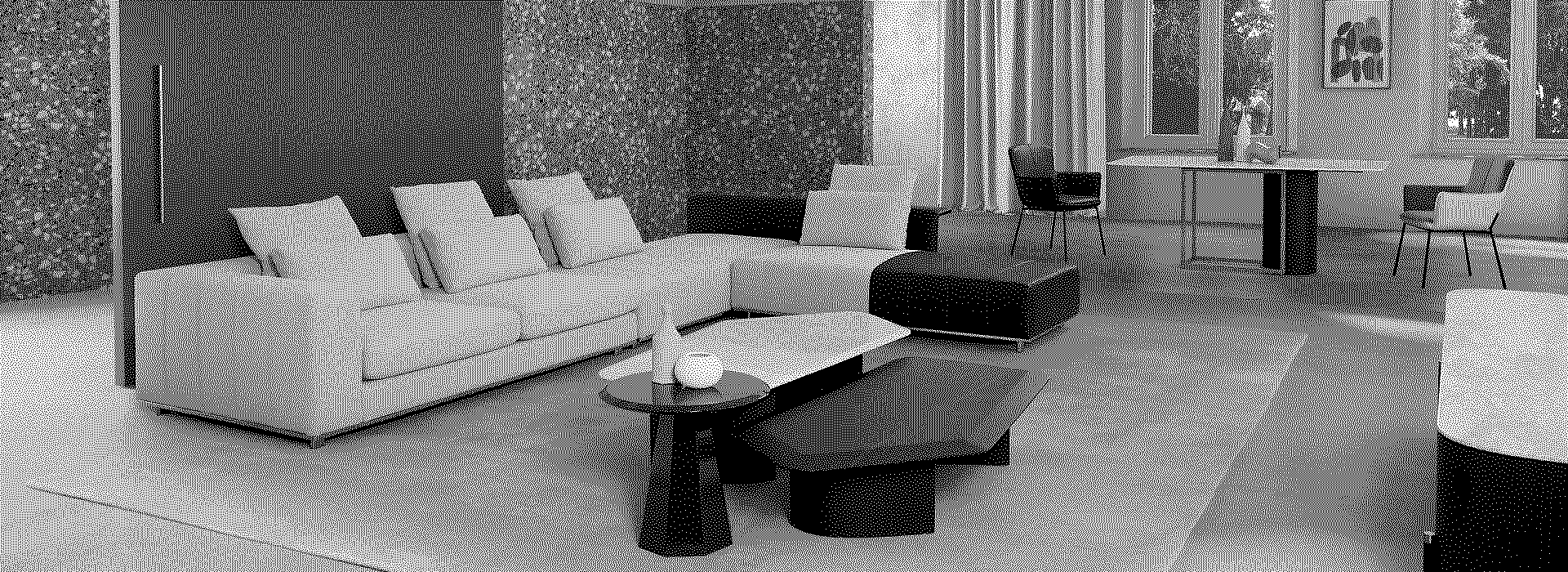
The light-luxury style uses restraint to say more: forward-looking, unfussy design that fits the way younger buyers like to live. Here is how to care for it, and what actually defines the look.
Light-luxury furniture is built around quality, design, comfort and simplicity. It is a contemporary, pared-back take on luxury, more interested in materials and proportion than in ornament.
How to care for light-luxury furniture
- Protect surfaces during everyday use and keep hard or sharp objects away from them.
- Keep pieces out of prolonged direct sunlight, which can cause cracking and fading.
- Keep the room at a fairly steady temperature, and avoid placing furniture where it is very humid or very dry.
- When dusting, never use anything abrasive. A soft cloth or towel is all you need.
- For cleaning, skip acidic or alkaline products. Use a neutral cleaner, then wipe dry with a clean cloth.
The "light" in light luxury is an attitude: understated and comfortable, but still refined.
Why has the style become so popular? Because it answers two demands at once. People want furniture with a distinct point of view, and they want quality and design in the same piece.
What defines the style
Attention to detail. Light luxury blends classic and modern. The architecture and hard finishes stay crisp and contemporary, while the furniture and soft furnishings carry a quiet, classic richness. Loud colors and heavy ornament are dropped in favor of simple, well-resolved details.
A sense of freedom. The palette is clean and pure, usually one dominant color, producing rooms that feel open, bright and connected.
Fashion with function. The style follows current trends but stays practical, with multi-purpose pieces for smaller spaces. Ordered three-dimensional forms, clean silhouettes and precise details give it a modern edge.
Individuality. Rooms are no longer planned as a set of separate boxes. Multi-use spaces flow into one another, and the furniture is chosen to express the people living there.